




Beta-Carotene: Nature's Versatile Colorant and Nutrient
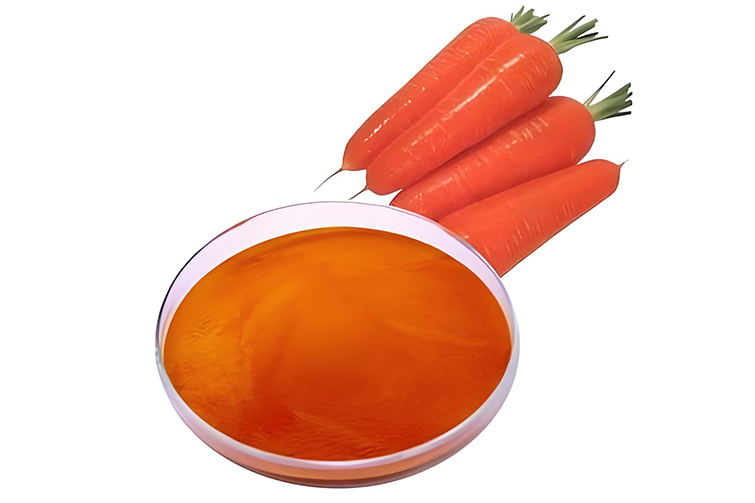
Beta-carotene is a naturally occurring, fat-soluble pigment belonging to the carotenoid family. It is widely recognized for its pro-vitamin A activity and its vibrant orange-red color. As a powerful antioxidant and safe natural colorant, beta-carotene finds extensive applications across multiple industries, from food and nutrition to cosmetics and animal feed.
1. Food and Beverage Industry: A Natural Coloring Agent
The demand for clean-label ingredients has significantly increased the use of beta-carotene as a natural alternative to synthetic colorants like Tartrazine (Yellow 5).
- Processed Foods: It imparts an appealing yellow-to-orange hue to products such as margarine, cheese, salad dressings, baked goods, and fruit juices.
- Beverages: Widely used in soft drinks, sports drinks, and flavored waters to achieve a natural orange color without artificial additives.
- Confectionery: Commonly found in candies, gummies, ice cream, and dessert toppings.
- Dairy and Alternatives: Used to standardize or enhance the color of butter, yogurt, and plant-based dairy substitutes.
2. Dietary Supplements and Nutraceuticals: Essential Nutrient Support
Beta-carotene is a crucial pro-vitamin A compound, meaning the body converts it into active vitamin A (retinol) as needed.
- Vitamin A Supplementation: It serves as a safe and efficient source of vitamin A, which is vital for vision, immune function, and cellular growth. Unlike preformed vitamin A from animal sources, beta-carotene is not associated with toxicity from excessive intake.
- Antioxidant Formulations: Its strong antioxidant properties help neutralize free radicals, supporting overall cellular health and reducing oxidative stress. It is often included in multivitamins, eye health complexes, and immune-support supplements.
- Skin Health: Some studies suggest that beta-carotene, when consumed as part of a balanced diet, may contribute to skin protection against UV-induced damage and support skin vitality.
3. Animal Feed and Aquaculture
In animal nutrition, beta-carotene serves both nutritional and pigmentation purposes.
- Poultry and Egg Production: Added to poultry feed to enhance the yellow-orange color of egg yolks and chicken skin, traits often associated with higher quality by consumers.
- Aquaculture: Incorporated into fish feed (e.g., for salmon and trout) to support healthy growth and improve flesh coloration.
- Livestock and Pet Food: Used as a vitamin A precursor and natural color enhancer in feeds for livestock, horses, and pets.
4. Cosmetics and Personal Care
Beta-carotene is valued in skincare and cosmetic formulations for its natural color and antioxidant benefits.
- Colorant: Provides a gentle orange tint in products like lip balms, creams, and soaps.
- Skincare: Included in anti-aging and protective skincare products for its antioxidant properties, which may help defend the skin against environmental stressors.
5. Pharmaceutical and Medical Applications
Beyond general supplementation, beta-carotene has specific therapeutic and preventive uses.
- Addressing Vitamin A Deficiency: Used in fortified foods and therapeutic supplements in regions where vitamin A deficiency is prevalent.
- Clinical Research: Studied for its potential role in reducing the risk of certain chronic conditions, though outcomes remain nuanced and context-dependent.
Conclusion
Beta-carotene stands as a multifunctional compound that seamlessly integrates into diverse sectors. Its dual role as a potent natural colorant and a vital nutrient underscores its importance in modern health-conscious and sustainability-driven markets. As consumer preference for natural, functional ingredients continues to grow, the demand for high-quality, sustainably sourced beta-carotene—such as that produced through advanced plant extraction methods—is expected to rise further. Its ability to bridge health, aesthetics, and nutrition makes it an indispensable asset in global supply chains.